
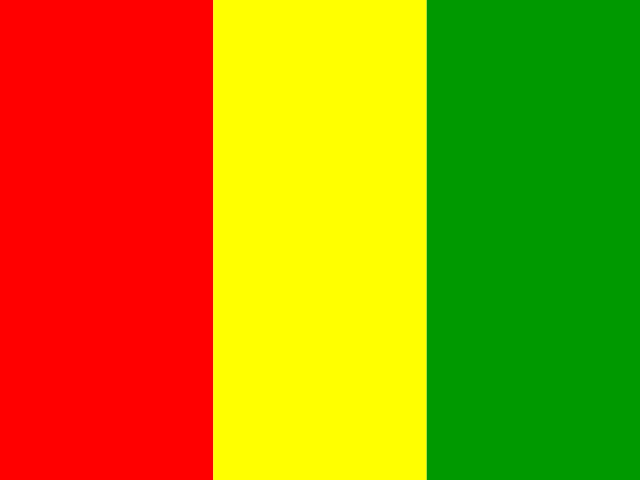
 Guinea
Country basics
Guinea is a West African republic on the Atlantic coast, where the Niger and Senegal rivers rise.
Guinea is a republic with Conakry as its capital and French as its official language, alongside several national languages. The franc is the currency, and bauxite, of which it holds some of the largest reserves in the world, leads its exports.
Official name
Republic of GuineaRegion
Africa · Western AfricaGovernment
Unitary presidential republicTime zonesCheck the offset for your own city
UTCDriving side
RightPhone code
+224Currency
Guinean franc (GNF, Fr)Member of
UN; African UnionWebsite
https://www.gouvernement.gov.gnFaith and language
Religions
Muslim 85.2%, Christian 13.4%, animist 0.2%, none 1.2%Languages
FrenchPeople and cities
Population
17.5 million (current)Median ageHalf the population is younger than this
19.5 years (2025)Living in cities
38.1% (2023)Largest cities
Conakry (capital) 2.111 millionMoney and cost of living
Exchange rateYearly average; check today’s rate before you budget
9,565 Guinean francs (GNF) per US dollar (2020)Income per personGDP per person, adjusted for local prices (2021 dollars)
$4,000 (2024)InflationHow much prices rose over the year
8.1% (2024)Unemployment
5.3% (2024)Health and daily life
Life expectancy
64.6 years (2024)Doctors
0.21 per 1,000 people (2022)Safe drinking water
71.5% of people (2022)Electricity
47.7% of people (2022)Internet users
27% of people (2023)Literacy
39.6% of adults (2018)Land and climate
Climate
Generally hot and humid; monsoonal-type rainy season (June to November) with southwesterly winds; dry season (December to May) with northeasterly harmattan windsSizeSlightly smaller than Oregon; slightly larger than twice the size of Pennsylvania
245,857 sq kmNatural hazards
Hot, dry, dusty harmattan haze may reduce visibility during dry seasonNational holiday
Independence Day, 2 October (1958)