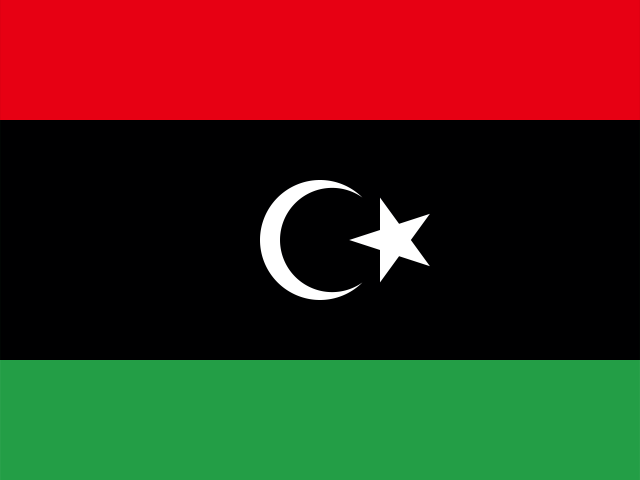
 Libya
Country basics
Libya is a North African state on the Mediterranean coast, mostly covered by Saharan desert.
Libya is a country with Tripoli as its capital and Arabic as its official language, and it holds the largest proven oil reserves in Africa. The dinar is the currency, crude oil funds the state, and authority has been contested since 2011.
Official name
State of LibyaRegion
Africa · Northern AfricaGovernment
Unitary republic under a provisional government (GNU)Time zonesCheck the offset for your own city
UTC+01:00Driving side
RightPhone code
+218Currency
Libyan dinar (LYD, ل.د)Member of
Arab League; UN; African Union; OPECWebsite
https://www.gov.lyFaith and language
Religions
Muslim (official; virtually all Sunni) 96.6%, Christian 2.7%, Buddhist <1%, Hindu <1%, Jewish <1%, folk religion <1%, other <1%, unaffiliated <1%Languages
ArabicPeople and cities
Population
7.5 million (current)Median ageHalf the population is younger than this
26.4 years (2025)Living in cities
81.6% (2023)Largest cities
Tripoli (capital) 1.183 million · Misratah 984,000 · Benghazi 859,000Money and cost of living
Exchange rateYearly average; check today’s rate before you budget
4.83 Libyan dinars (LYD) per US dollar (2024)Income per personGDP per person, adjusted for local prices (2021 dollars)
$12,300 (2024)InflationHow much prices rose over the year
2.1% (2024)Unemployment
18.7% (2024)Health and daily life
Life expectancy
77.7 years (2024)Doctors
2.04 per 1,000 people (2017)Hospital beds
3.2 per 1,000 people (2021)Safe drinking water
99.9% of people (2022)Electricity
70% of people (2022)Internet users
89% of people (2023)Land and climate
Climate
Mediterranean along coast; dry, extreme desert interiorSizeAbout 2.5 times the size of Texas; slightly larger than Alaska
1,759,540 sq kmNatural hazards
Hot, dry, dust-laden ghibli is a southern wind lasting one to four days in spring and fall; dust storms, sandstormsNational holiday
Liberation Day, 23 October (2011)